
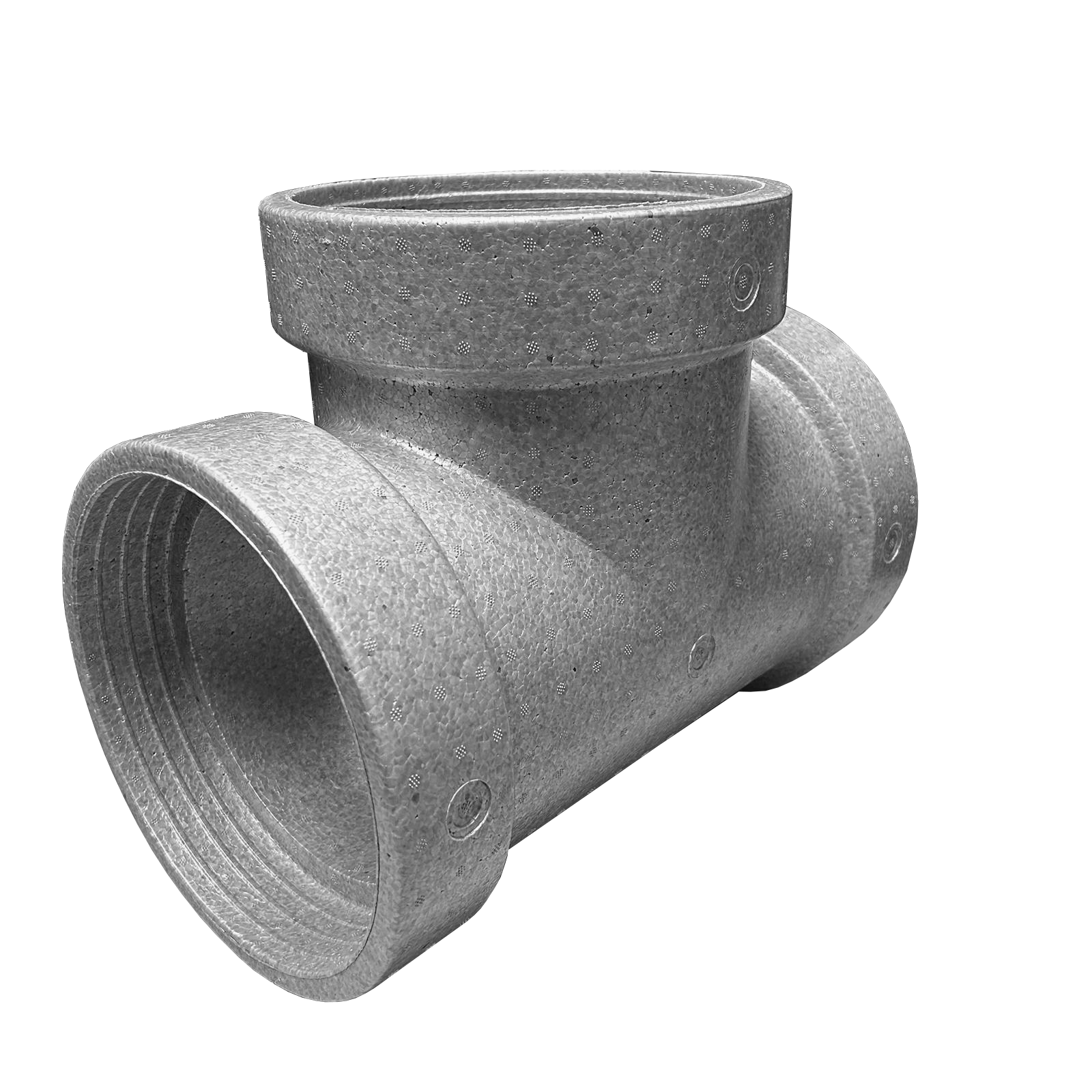
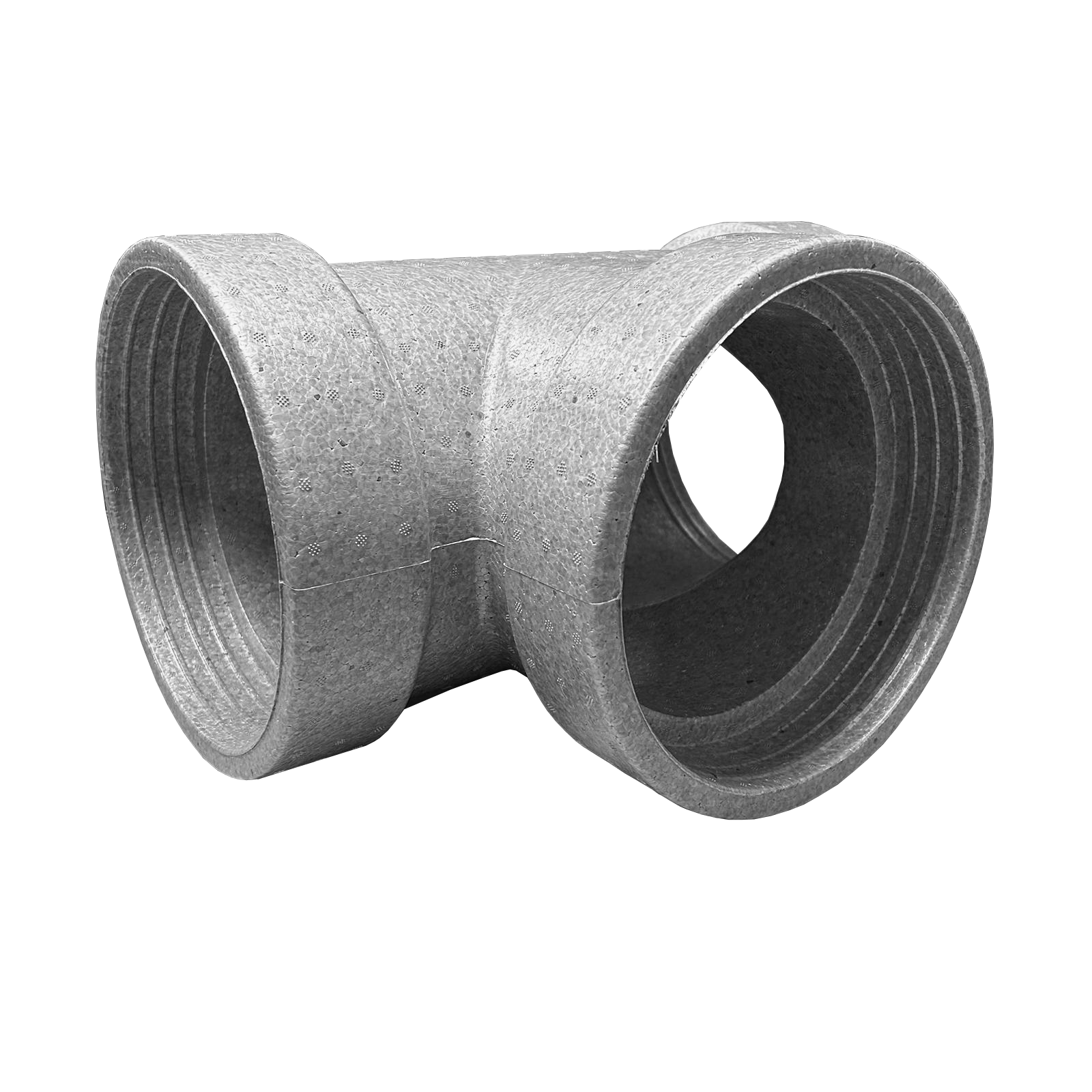
Thermal T piece (Fire Retardant)
Thermal T piece (Fire Retardant)
SKU : QV-TH-125-T
Overview
The Q-V Thermal T Piece is a fire-retardant ducting component designed to create a secure branch connection in thermal insulation and ventilation systems. Available in 125mm, 150mm, and 200mm internal diameters, this T-shaped fitting allows for efficient airflow distribution while maintaining fire safety and thermal performance.In Stock
Couldn't load pickup availability
 For warranty information, please refer to the manufacturer’s warranty policy or contact them directly.


Download Files
Description
Product Part Number
Thermal 125mm T Piece - QV-TH-125-T
Thermal 150mm T Piece - QV-TH-150-T
Thermal 200mm T Piece - QV-TH-200-T
Product Overview
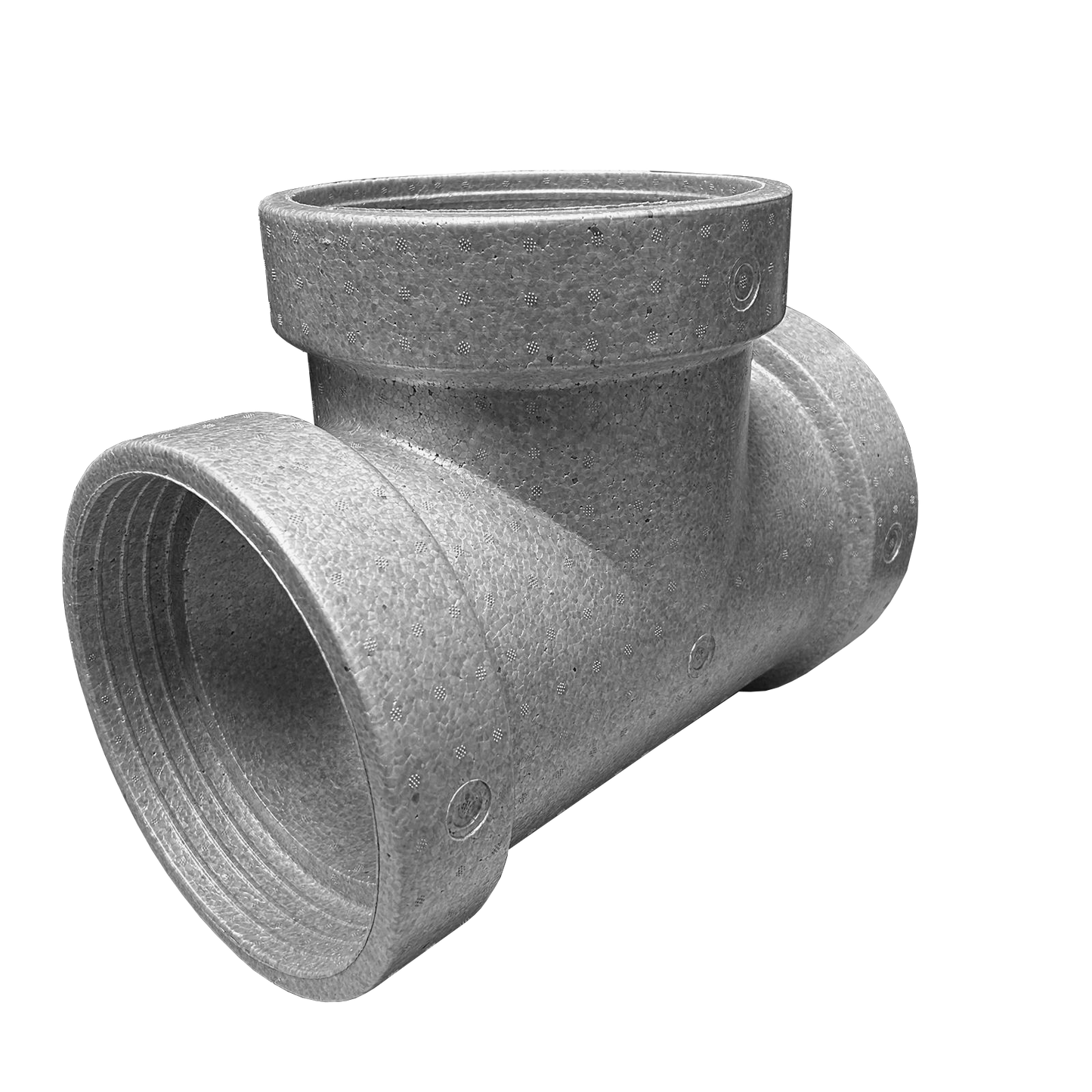
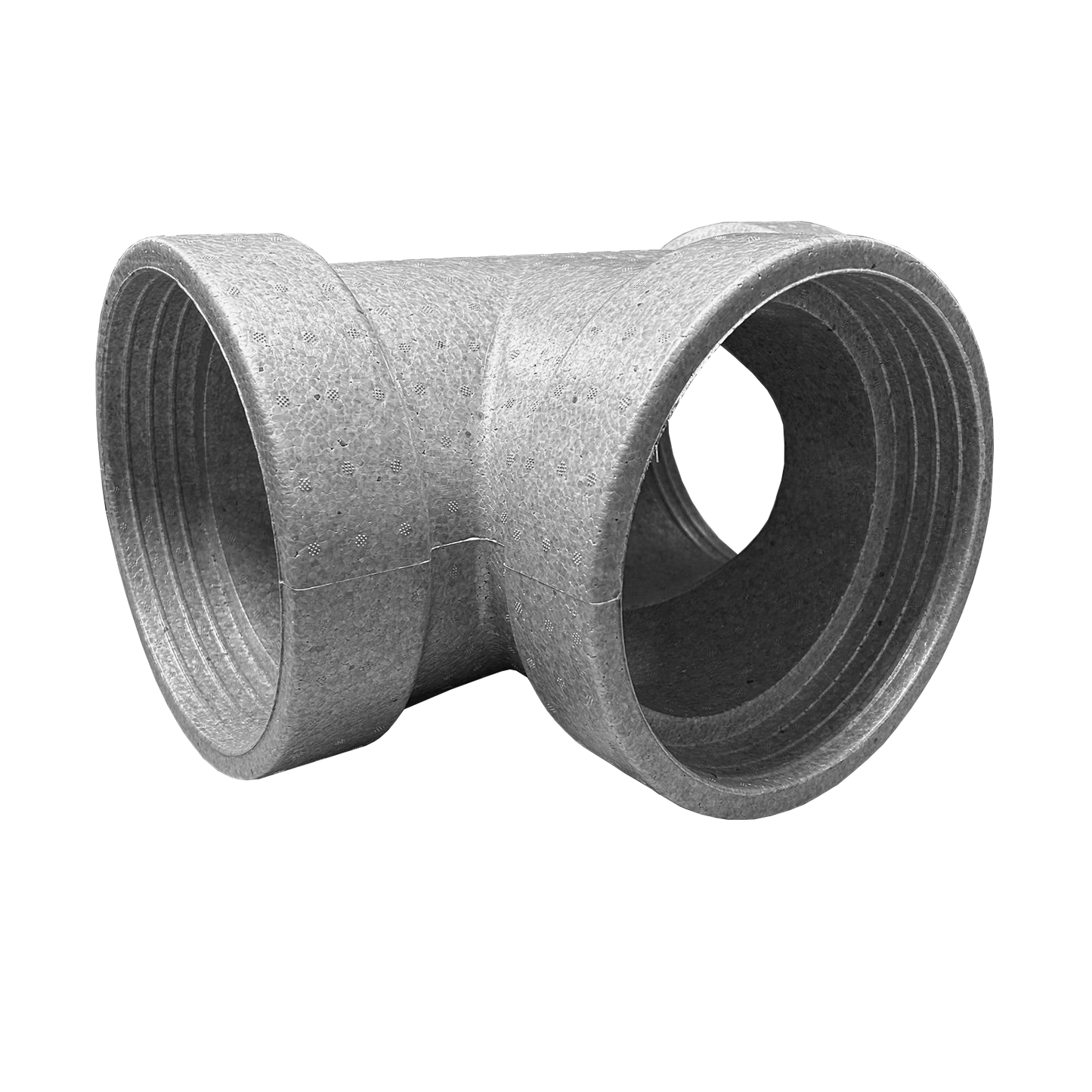
The Q-V Thermal T Piece is a fire-retardant ducting component designed to create a secure branch connection in thermal insulation and ventilation systems. Available in 125mm, 150mm, and 200mm internal diameters, this T-shaped fitting allows for efficient airflow distribution while maintaining fire safety and thermal performance.
It is manufactured from EPP (Expanded Polypropylene), a tough, resilient, and impact-resistant foam that can recover from multiple impacts. The material is impregnated with a flame retardant to GB8624 Class B1 and is currently under test to EN 13501-1 Class B, ensuring both durability and safety in demanding environments.
Ideal for MVHR, ducting, and industrial applications, the Q-V T Piece provides reliable branching while maintaining thermal integrity and fire protection.
Technical Specifications
- Available Sizes: 125mm, 150mm, and 200mm internal diameters
- Configuration: T-shaped junction for branching duct runs
- Material: EPP (Expanded Polypropylene), fire-retardant
- Application: MVHR, thermal insulation, industrial ventilation, and ductwork systems
- Function: Connects three duct runs for efficient air distribution
Frequently Asked Questions
-
What is thermal ductwork used for?
-
Where is thermal ductwork commonly installed?
-
Does insulated ducting prevent condensation inside the duct?
-
Is thermal ducting a building regulation requirement?
-
Do I still need thermal ducting if the loft itself is well insulated?
BPC Ventilation · Free project support
Not sure which ventilation system you need?
Send us your floor plans for a free ventilation estimate and residential layout guide. Our team will review your project and help you choose suitable MVHR or MEV equipment for your property and budget.
- Free estimate & layout guide
- Independent advice across brands
- Lifetime technical support with every system sold
Upload your drawings and project details to get started.
Free residential layout guides cover airflow requirements and unit and valve location guidance. Full ducting route planning is a separate service. Layout guides are not available for commercial projects.