
Skip to product information
1 of 2

Thermal pipe connector (Fire Retardant)

Thermal pipe connector (Fire Retardant)

SKU : QV-TH-125-CON

Overview

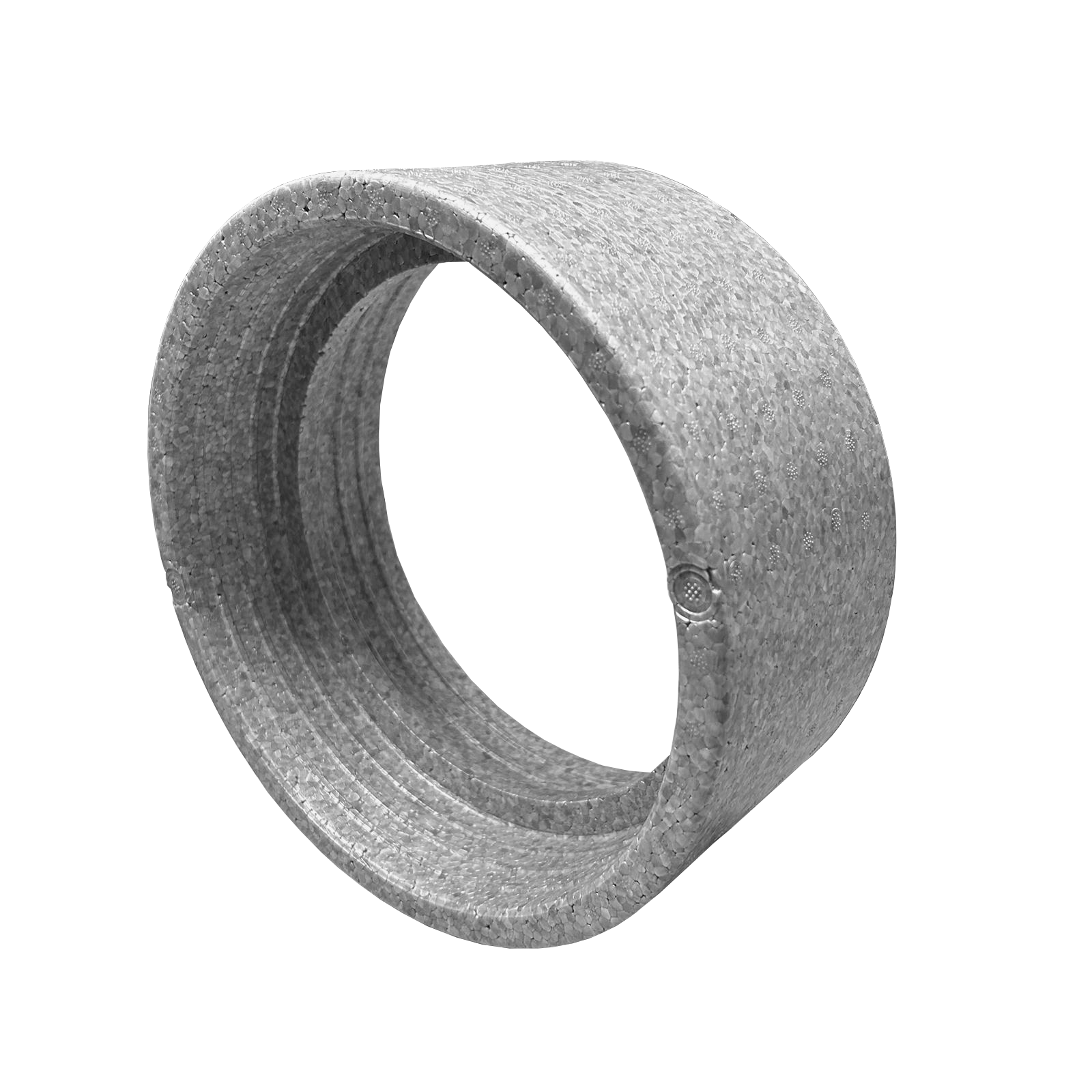
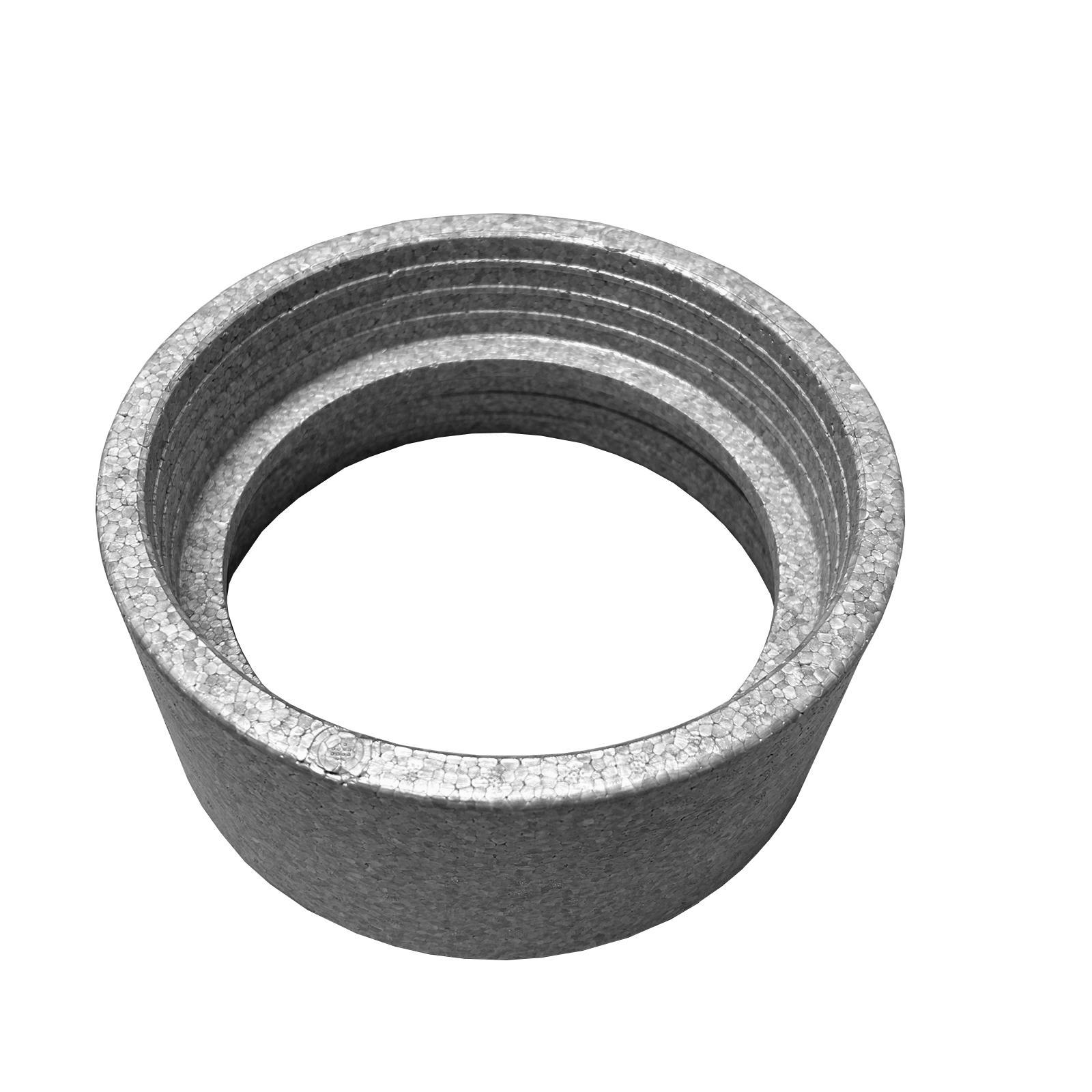
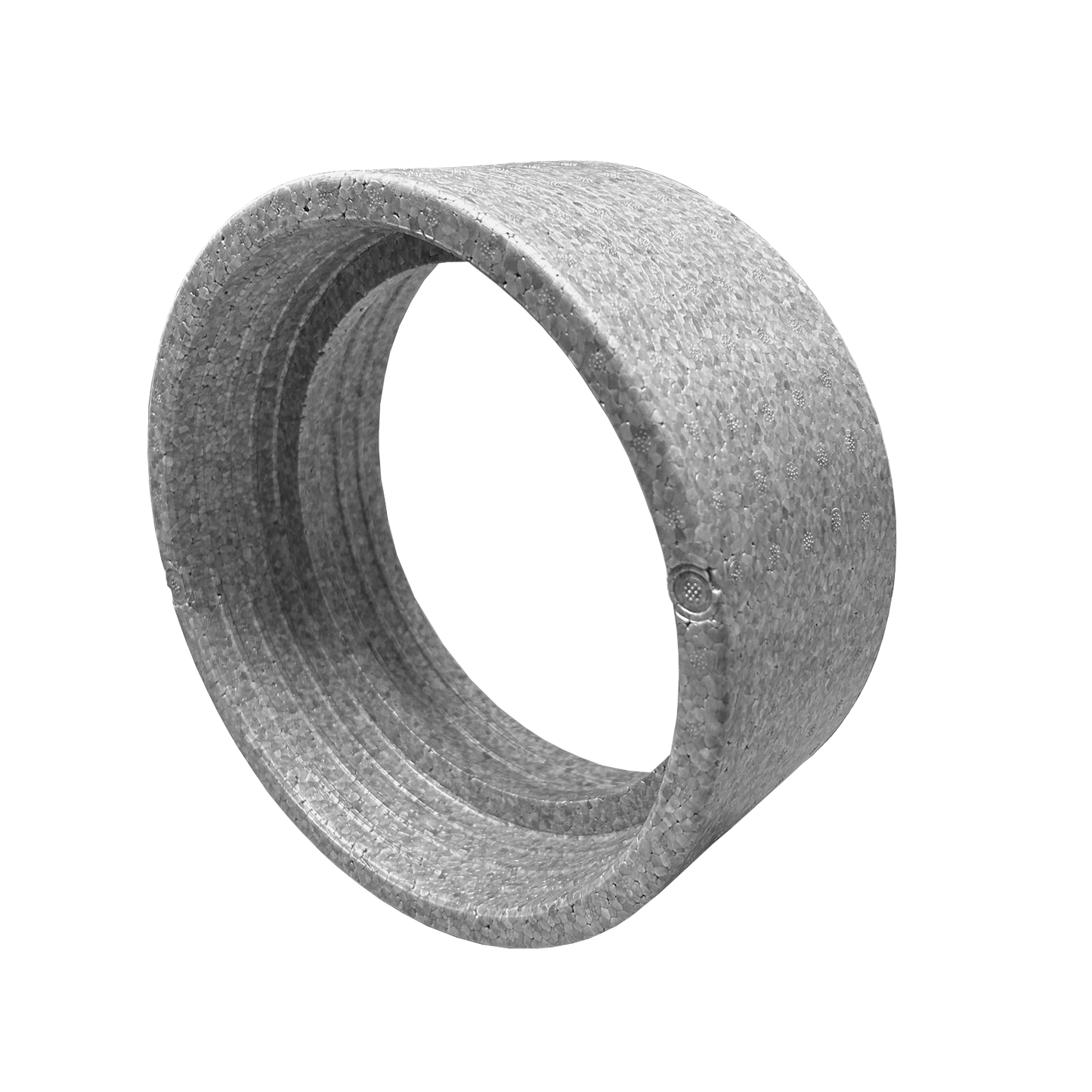
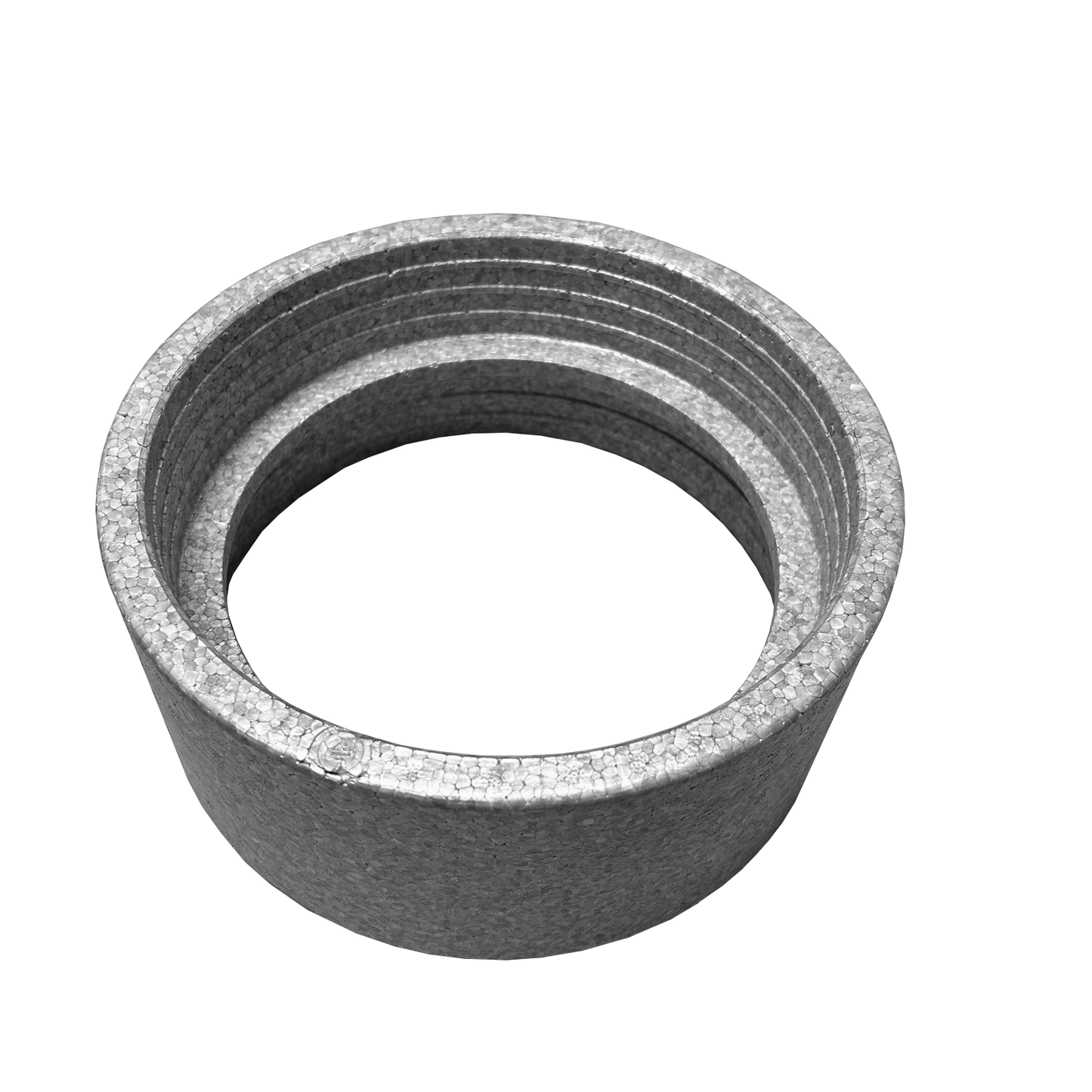
The Q-V Thermal Pipe Connector is a robust, fire-retardant coupling designed to securely join two 125mm, 150mm, or 200mm thermal pipes. It is manufactured from EPP (Expanded Polypropylene), a tough, resilient, and impact-resistant foam that can recover from multiple impacts. The material is impregnated with a flame retardant to GB8624 Class B1 and is currently under test to EN 13501-1 Class B, providing enhanced durability and fire safety.
€3,64 EUR Excl. VAT: €3,03 EUR

In Stock

  • For warranty information, please refer to the manufacturer’s warranty policy or contact them directly.
View full details

Description

Product Part Number

125mm Thermal Pipe Connector - QV-TH-125-CON
150mm Thermal Pipe Connector - QV-TH-150-CON
200mm Thermal Pipe Connector - QV-TH-200-CON

Product Overview 

The Q-V Thermal Pipe Connector is a robust, fire-retardant coupling designed to securely join two 125mm, 150mm, or 200mm thermal pipes. It is manufactured from EPP (Expanded Polypropylene), a tough, resilient, and impact-resistant foam that can recover from multiple impacts. The material is impregnated with a flame retardant to GB8624 Class B1 and is currently under test to EN 13501-1 Class B, providing enhanced durability and fire safety.

This connector ensures a tight, reliable fit and is ideal for MVHR, ventilation, and industrial applications where fire safety and thermal integrity are critical.

Technical Specifications

- Diameter: 125mm/150mm/200mm (internal fit for 125mm/150mm/200mm pipes)

- Material: EPP (Expanded Polypropylene), fire-retardant

- Function: Connects two Q-V Thermal pipes securely

- Application: Suitable for MVHR, ducting, and insulated pipe systems

- Easy Installation: Quick-fit design for efficient assembly

Frequently Asked Questions

  • What is thermal ductwork used for?

    Thermal ductwork is used in ventilation systems where an insulated duct run is required. It can help reduce heat loss and lower the risk of condensation in suitable duct routes.

  • Where is thermal ductwork commonly installed?

    Thermal ductwork is commonly used in areas where ducting may pass through colder spaces, such as lofts, roof spaces, ceiling voids or unheated areas, depending on the ventilation design.