
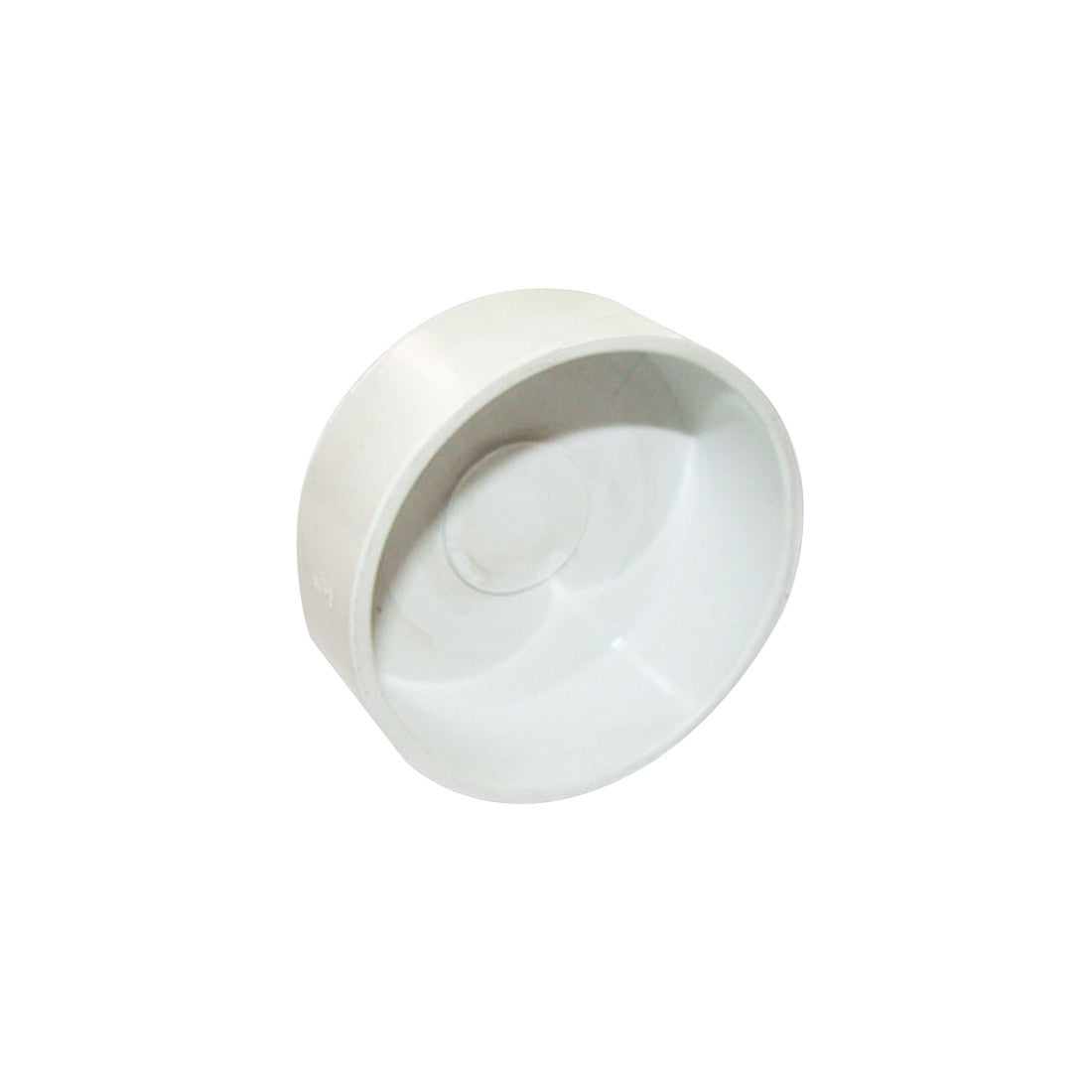
Sachvac Stop Blanking Cap
Sachvac Stop Blanking Cap
SKU : AI9028-SC/U
Overview
The Sachvac Stop Blanking Cap is designed to close off unused pipe ends in central vacuum systems. This cap provides a secure seal, preventing dust, debris, or air from escaping the system. It is an essential accessory for maintaining an efficient and airtight central vacuum installation.In Stock
Couldn't load pickup availability
 For warranty information, please refer to the manufacturer’s warranty policy or contact them directly.


Description
Sachvac Stop Blanking Cap
Part Number
Sachvac Stop Blanking Cap - AI9028-SC/U
Product Overview
The Sachvac Stop Blanking Cap is designed to close off unused pipe ends in central vacuum systems. This cap provides a secure seal, preventing dust, debris, or air from escaping the system. It is an essential accessory for maintaining an efficient and airtight central vacuum installation.
Key Features
Secures unused pipe ends – Prevents dust and debris from escaping
Durable construction – Made of high-quality PVC for long-lasting performance
Easy to install – Simple to fit over open pipe ends
Ensures airtight seal – Keeps your system operating efficiently
Specifications
Material: PVC
Type: Stop blanking cap
Application: Used to seal unused pipe ends in central vacuum systems
Dimensions: Standard to fit 51mm PVC pipes
Video
Frequently Asked Questions
-
How does a central vacuum system work?
-
How often does a central vacuum system need servicing?
-
Can a central vacuum unit be installed in a garage?
-
Can a central vacuum system be retrofitted into an existing house?
-
How much does it cost compared to a regular vacuum?